Selling a home is often framed as a matter of upgrades, repairs, and timing. Many homeowners focus on paint colors, landscaping, and home staging to improve first impressions. Yet in modern real estate trends, one factor remains largely outside your control, your neighbors.
Even if you invest in smart home improvement ideas, follow modern home design approaches, and apply strong interior design 2026 principles, the surrounding environment still plays a powerful role in how buyers perceive your property. When people evaluate a neighborhood, they’re not just buying a house, they’re buying the lifestyle around it.
Understanding how neighbors influence buyer perception can help you make better home value improvement strategies and ultimately position your property to sell your home faster with stronger offers.
1. Curb Appeal Starts Beyond Your Front Yard
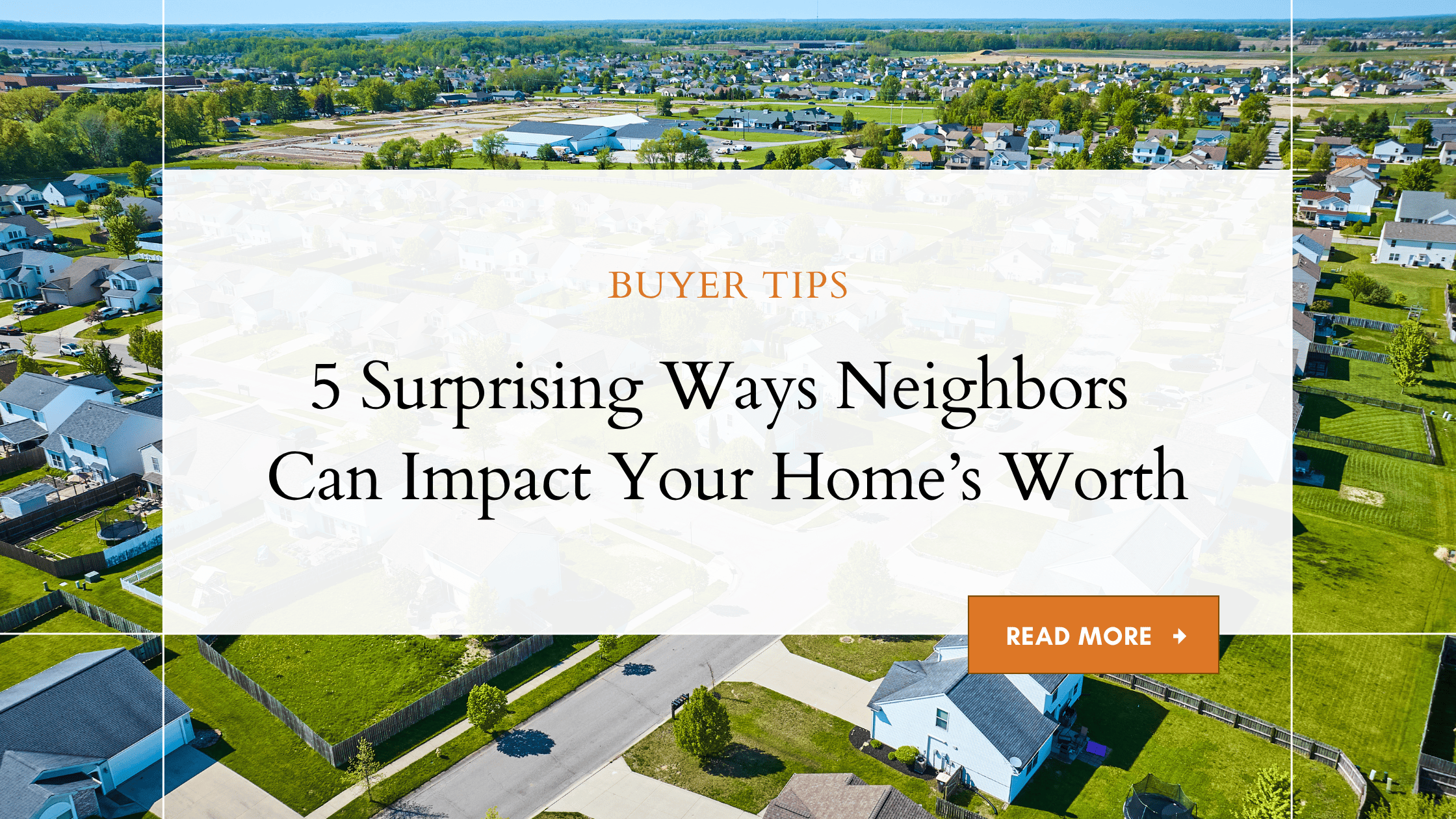
Curb appeal doesn’t stop at your fence line. Buyers form opinions the moment they drive into a neighborhood, and nearby homes heavily shape that first impression.
Well-maintained lawns, clean exteriors, and orderly streets create a sense of pride that signals stability. This collective appearance can increase home value and strengthen buyer confidence before they even step inside your property.
On the other hand, neglected yards, clutter, or visible disrepair nearby can weaken your property value boost efforts. Even if your home is immaculate, surrounding neglect can reduce perceived resale value and make it harder to attract home buyers who are comparing multiple listings.
In competitive markets, these details directly influence real estate market appeal and can quietly impact offers.
2. Noise and Daily Lifestyle Can Shift Buyer Emotion
Modern buyers are increasingly sensitive to lifestyle quality, not just square footage. Noise levels, routines, and overall neighborhood atmosphere now play a major role in decision-making.
Frequent loud gatherings, constant barking dogs, or disruptive habits can create hesitation for potential buyers during showings. Even if these issues aren’t obvious during a quick visit, they often surface during deeper research or repeated drive-bys.
In real estate today, emotional comfort is a key driver of value. A peaceful environment supports stronger buyer appeal improvements, while ongoing disturbances can reduce perceived long-term livability.
This can directly affect how quickly a home sells and the strength of incoming offers, especially in areas where buyers prioritize quiet residential living.
3. Vacant or Neglected Properties Raise Risk Perception
Vacant homes or poorly maintained neighboring properties often raise immediate concerns for buyers. Overgrown lawns, visible damage, or signs of abandonment can suggest declining neighborhood upkeep.
Beyond appearance, there are also practical concerns. Vacant properties may attract pests, vandalism, or unauthorized activity, which can affect surrounding homes and reduce overall desirability.
This type of environment can weaken property selling tips in action, as buyers begin factoring in long-term risk rather than just the home itself. Even strong home value improvement strategies inside your property may struggle to offset negative external impressions.
In many cases, this environment can slow down sales and reduce overall resale value across the block.
4. Boundary Disputes and Neighbor Conflicts Create Buyer Hesitation
Property line issues may seem minor between neighbors, but they can become a major red flag during a sale. Fence overlaps, shared driveways, or unclear boundaries often raise legal and financial concerns for buyers.
Even when disputes are resolved, the history of conflict can linger in buyer perception. Many buyers worry about inheriting unresolved issues or future disagreements that could affect their ownership experience.
In today’s real estate trends, transparency and low-risk purchases are highly valued. Homes associated with conflict may struggle to attract home buyers who want a smooth, worry-free transition.
This can reduce buyer competition and ultimately affect your ability to achieve maximum resale value.
5. Nearby Safety Reputation Influences Market Demand
Perceived safety is one of the strongest drivers of property value. Even when a home itself is secure, surrounding reputational factors can influence buyer decisions.
Buyers often research neighborhoods extensively before making offers. If an area is associated with safety concerns or stigmatized factors, it can reduce demand and lower price expectations.
Studies have shown that perceived safety issues in a neighborhood can impact buyer confidence and reduce overall market interest. This doesn’t only affect pricing, it can also extend time on market, making it harder to sell your home faster.
In contrast, neighborhoods with strong community reputation and stability tend to experience stronger real estate market appeal and more competitive bidding.
Final Thoughts
A home’s value is shaped by more than its interior upgrades, renovations, or staging. While home improvement ideas and modern design choices are important, the surrounding environment plays an equally powerful role in buyer perception.
From curb appeal beyond your property line to neighborhood atmosphere and safety reputation, neighbors can directly influence how quickly your home sells and the price it achieves. Understanding these external factors allows homeowners to make smarter decisions, increase home value, and strengthen long-term resale value in today’s competitive real estate market.